%2Ffit-in%2F250x250%2Fguide_websites%2F131633%2Fimages%2F17762141164154f1b6fa9-e653-4db5-8349-c5e96b269ee1.png&w=1920&q=100)
Fishing Charter in Galveston TX with Online Fishing Trips
Fishing Charter Experience in Galveston - What to Expect
%2F%2Fusers%2F3c5a372d-d8ab-482d-aad5-1b85f8781524%2Fimages%2Fonline-fishing-trips-logo-2442.jpg&w=1920&q=75)
Fishing Charter by Captain Mike Lott in April
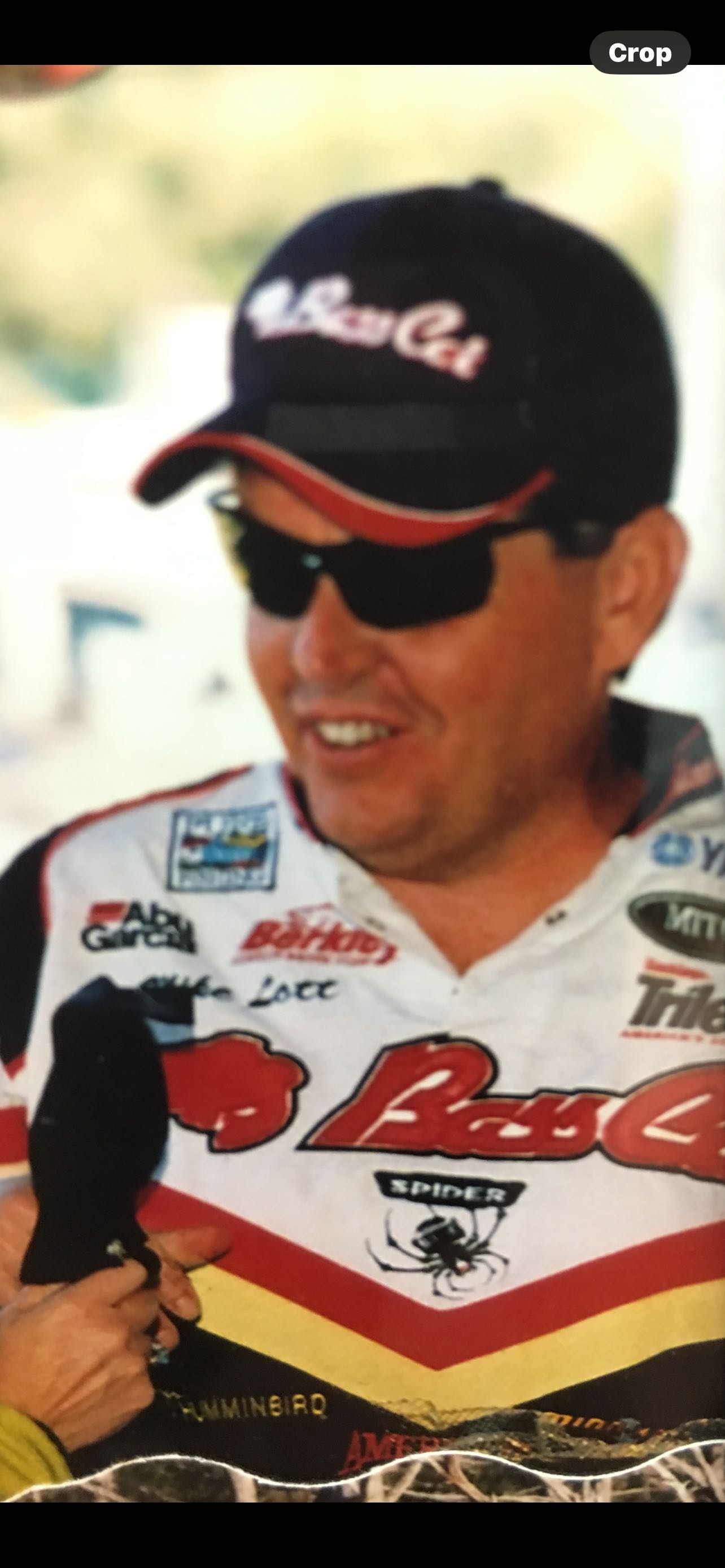
Meet your Captain Mike Lott
- Galveston TX Family Fishing Charters


Summary
Join Captain Mike Lott of Online Fishing Trips for a fishing charter in Galveston on Tuesday, April. This guided fishing trip combines local expertise with authentic Gulf Coast waters, offering anglers the opportunity to target species throughout the region while learning productive techniques on the water.
Fishing Charter with Captain Mike Lott - Rates & Booking
Captain Mike Lott of Online Fishing Trips leads fishing charters in Galveston on Tuesday, April. When you book a charter with an experienced local guide, you gain access to proven fishing locations, current water conditions, and techniques that work specifically in Gulf Coast waters. Online Fishing Trips provides guided fishing experiences tailored to your skill level and target species.
To reserve your spot or inquire about charter availability and rates, contact Online Fishing Trips directly. Charter fishing trips in Galveston operate year-round, with each season offering unique target species and fishing conditions. Booking in advance ensures you secure your preferred date and trip configuration.
Highlights of Galveston Fishing Charters
Galveston offers diverse fishing opportunities across multiple water types and depths. Whether you're targeting inshore species in bay systems or venturing offshore, the Gulf Coast provides consistent action and varied techniques. Local guides understand seasonal patterns, habitat preferences, and the best methods for success.
The Galveston area combines accessibility with productive fishing grounds. Anglers consistently find quality experiences with reliable species availability, making it an excellent destination for both beginners learning fundamental skills and experienced fishermen seeking challenging catches.
Local Fishing Insights & Gulf Coast Experience
Galveston's fishing landscape reflects classic Gulf Coast characteristics. The region encompasses shallow bays, grass flats, deeper channels, and offshore structures, each hosting distinct species and requiring specific fishing approaches. Understanding these environments helps explain where fish congregate, when they feed, and what techniques prove most effective.
Water temperature, salinity, tide cycles, and seasonal migrations all influence fish behavior throughout the year. Spring and fall often provide optimal conditions as species move between deeper winter grounds and shallower summer habitats. Summer fishing can be productive early or late in the day, while winter months attract species seeking deeper, warmer water. Local guides monitor these patterns continuously, adjusting strategies based on real-time conditions.
The Galveston fishery supports various species with different habitat preferences and behavioral patterns. Inshore fishing focuses on shallow-water structure and grass flats where species hunt baitfish. Offshore fishing targets deeper water columns and bottom structures where species congregate. Each approach requires understanding how fish interact with their environment and what presentations trigger feeding responses.
Success in Galveston fishing comes from combining location knowledge with proper technique. Guides teach rod handling, casting accuracy, lure selection, and timing. They explain how tide movement affects feeding activity, why certain areas concentrate fish during specific conditions, and how to read environmental clues that indicate productive zones. This knowledge transfer transforms a fishing trip into a learning experience you can apply on future outings.
Plan Your Galveston Fishing Day
Galveston fishing charters accommodate various group sizes and experience levels. Before booking, consider your fishing experience, target species preferences, and physical capabilities. Charter schedules typically operate from early morning through late afternoon, allowing you to experience multiple tide phases and fishing conditions during a single day.
Bring appropriate clothing for weather conditions, sunscreen, and basic personal items. Most charters provide essential fishing equipment, tackle, and guidance on what to expect. Confirm specific inclusions with Online Fishing Trips when booking. Seasickness prevention measures, if needed, should be considered before heading out on open water.